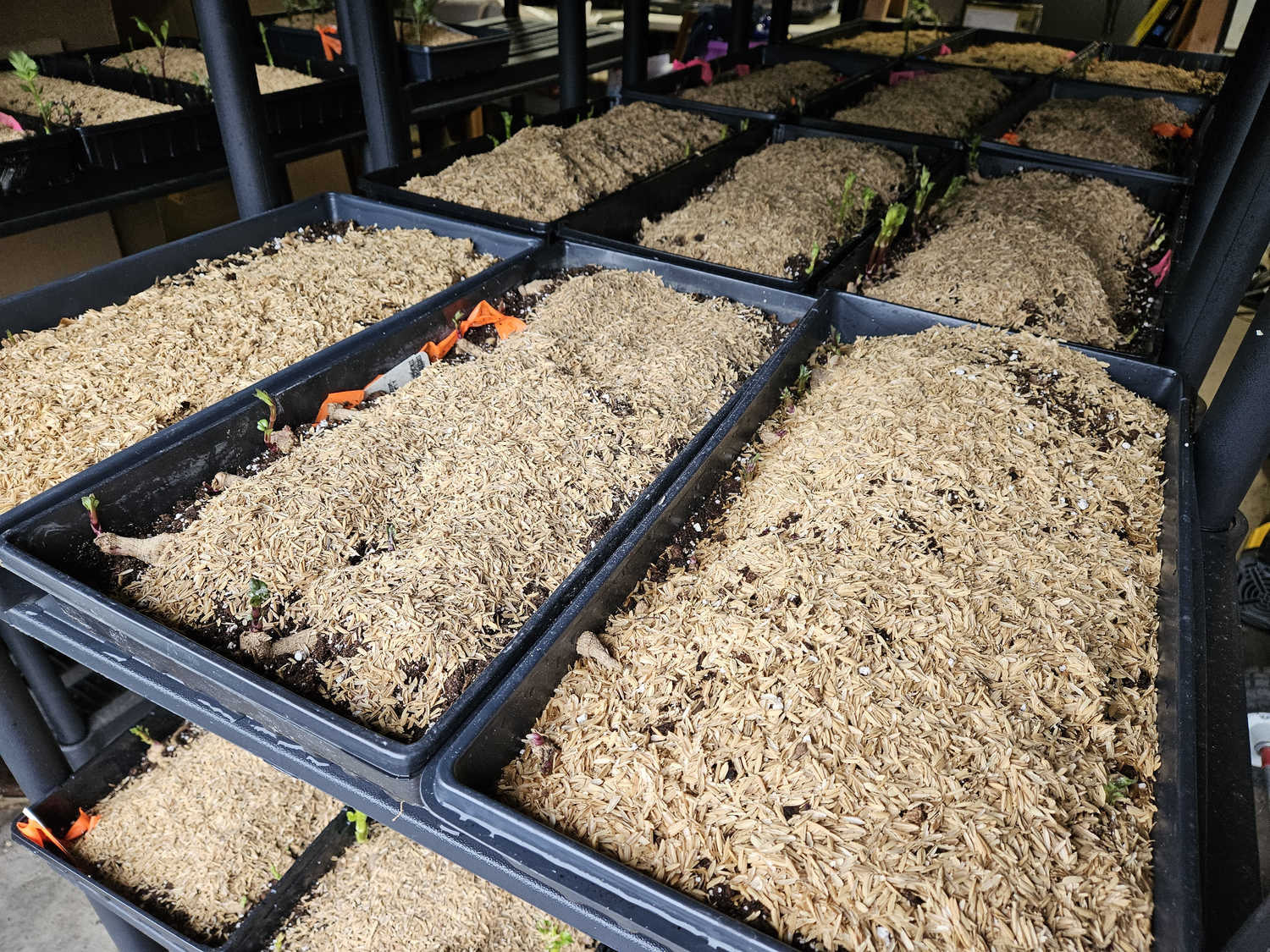
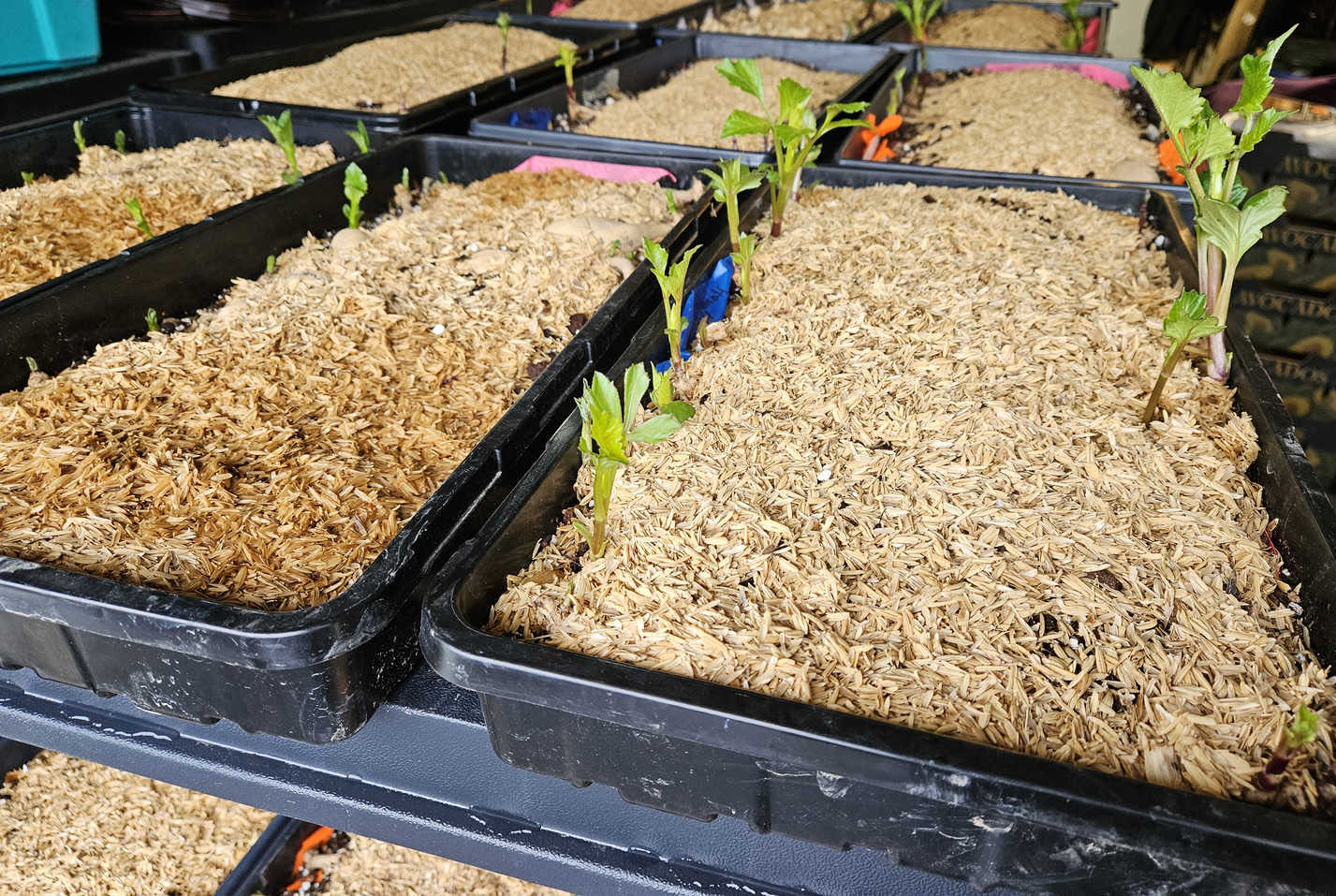
Deer Trail Farm carefully digs our tubers each year, separating and storing them for the next year. Each year we have more tubers than we to plan to plant so we sell them to people to plant themselves!
If you are interested in purchasing dahlia tubers please use the contact form to reach out to us.
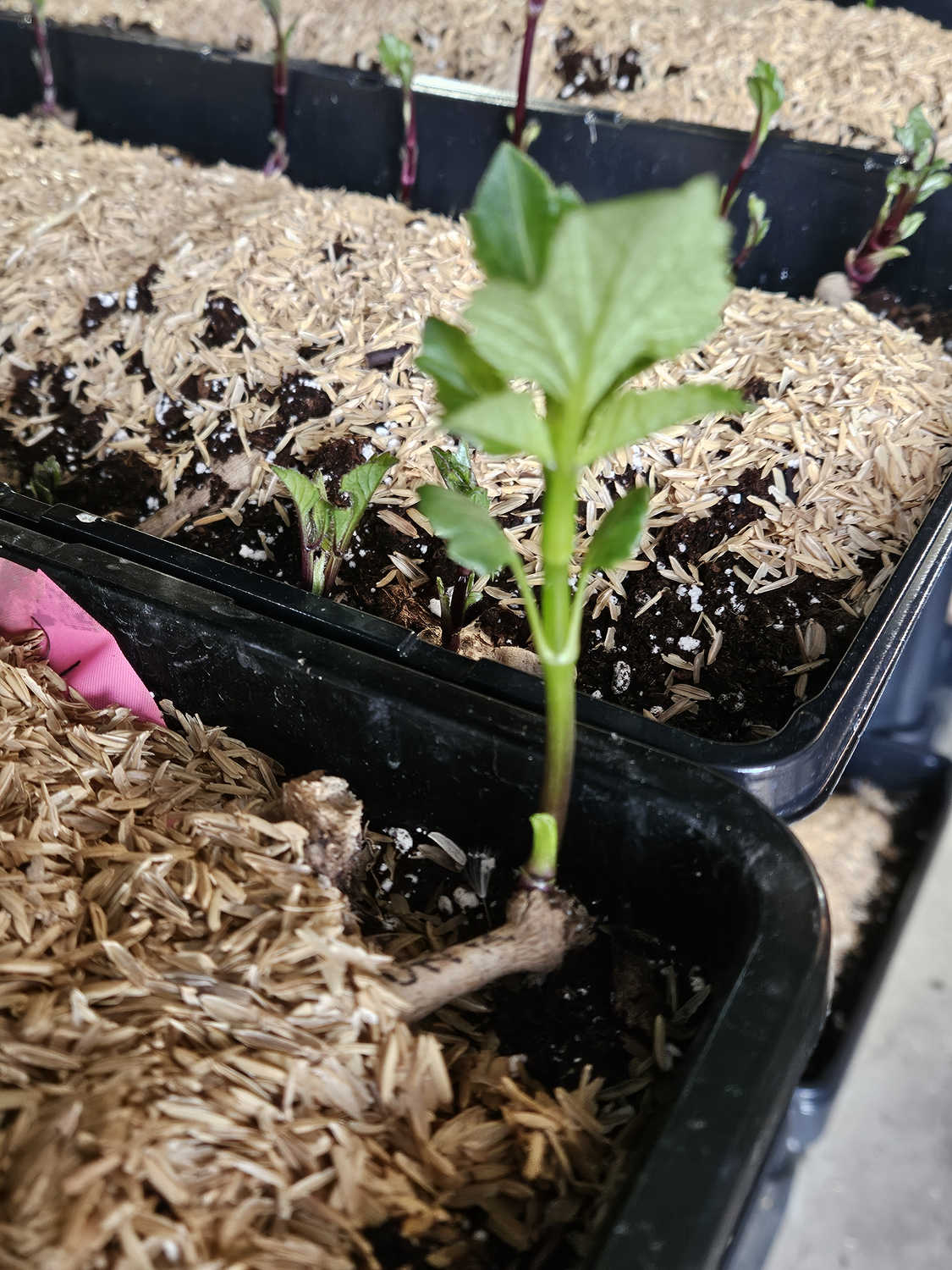
What Is a Dahlia Tuber — and How Does It Work?
If you’ve ever grown potatoes, you already understand the basic idea behind a dahlia tuber. Both are underground storage organs, swollen fleshy root structures that a plant uses to stockpile energy over the winter so it can hit the ground running come spring.
A dahlia tuber looks a bit like a stubby, elongated sweet potato. During the growing season, the plant funnels sugars and starches down into these underground reserves, and by the time fall rolls around, a single tuber has usually multiplied into a whole cluster called a clump, all attached at a central stem.
The Eye Is Everything
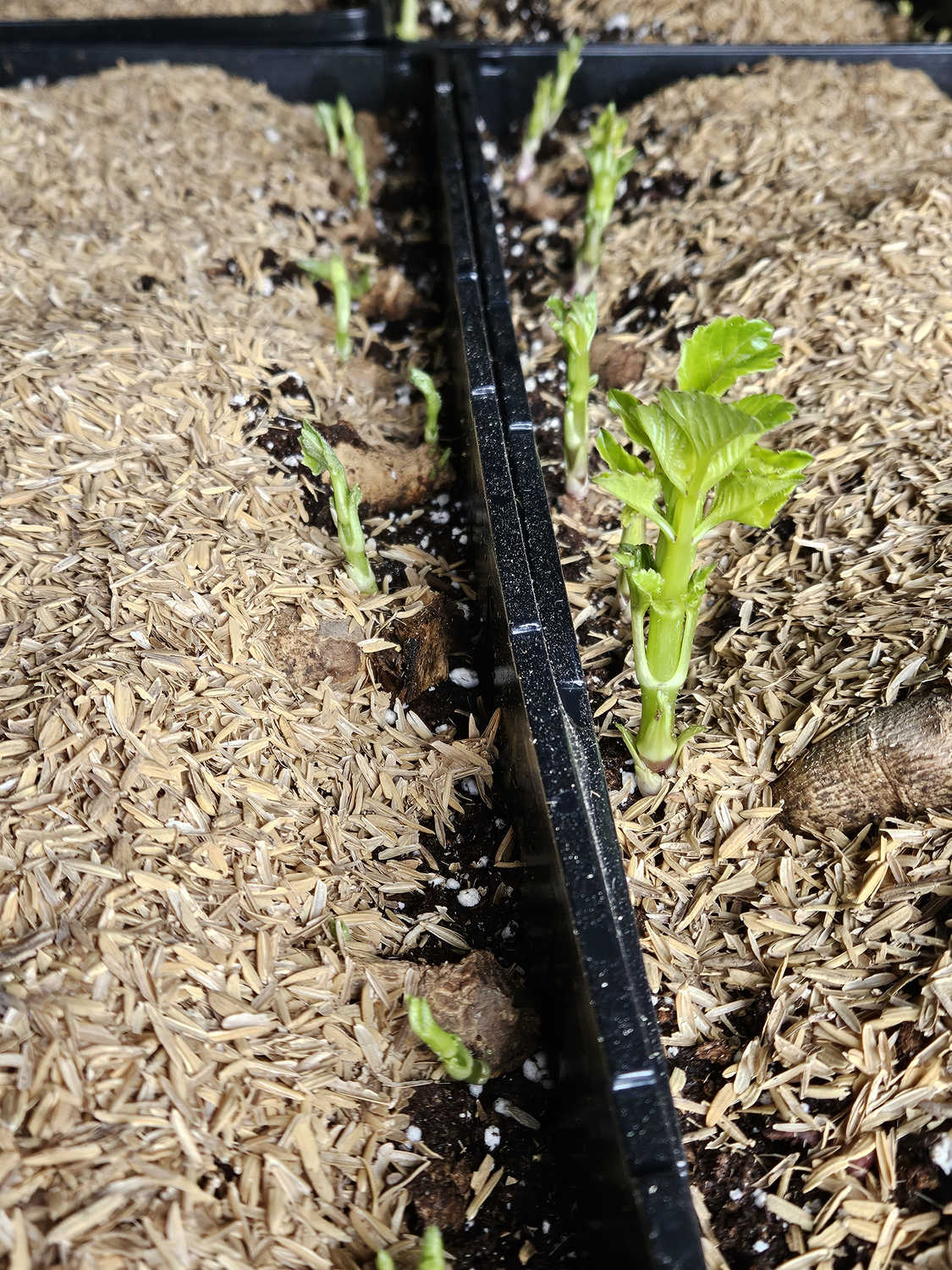
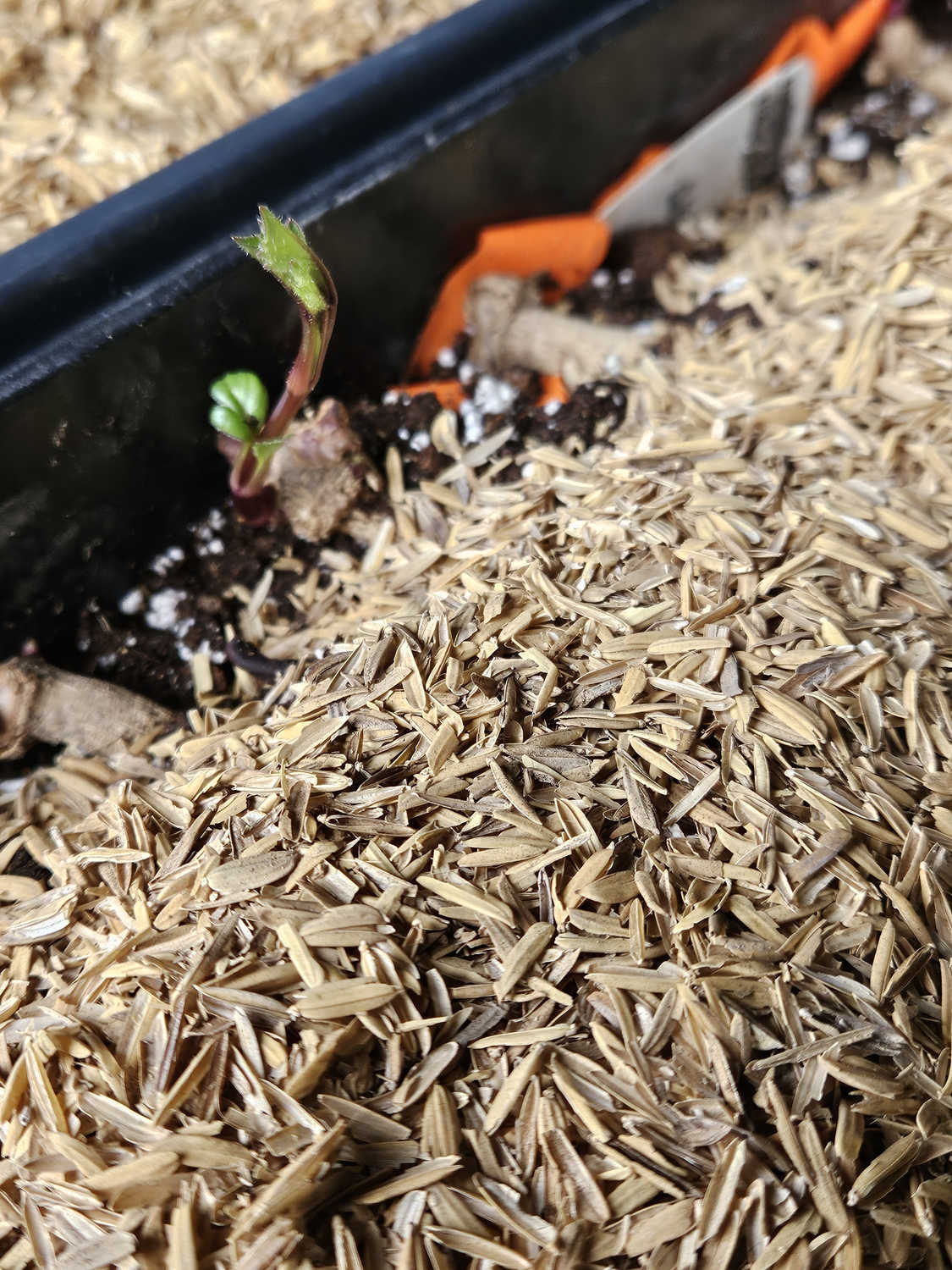
The key to understanding how a dahlia tuber works is the eye. Similar to the sprouting points on a potato, the eye is a tiny growth node where new shoots emerge. On dahlias, the eyes aren’t scattered across the tuber itself. They’re clustered right at the base of the old stem, where the tubers connect. This is why a tuber without any stem tissue attached is essentially useless. No eye means nothing grows.
Storing Energy for Next Season
Think of the tuber as the plant’s battery pack. When you plant one in spring, the stored nutrients inside fuel the early growth of roots, stems, and leaves before the plant is established enough to feed itself through photosynthesis. Once it has a strong root system and a good set of leaves, it takes over and starts doing its own work. From that point forward, it’s actively building next year’s tubers all over again.
Why You Have to Dig Them Up
In most climates, dahlia tubers can’t survive a hard freeze in the ground. The skin is thin and the flesh holds a lot of moisture, so a solid frost will turn them to mush. That’s why dahlia growers dig their tubers each fall, let them cure for a bit, and store them somewhere cool and dark until the following spring. Done right, the same tubers can be replanted year after year, and the clump gets bigger every season.
One Tuber, One Plant, or Many
When you buy dahlias, you’ll usually receive individual tubers that have already been divided from a larger clump. Each one has the potential to grow into a full plant. At the end of the season, that plant will produce a clump of several new tubers, which can be divided and replanted the following year. Your dahlia collection can quietly multiply every single season without spending another dime.